Midlle East

Fast Facts
- Area
- Population
- Countries
- Largest country
- Smallest country
- Time Zones
- Languages
- Major Religions
- Largest Cities
- Highest point
- Longest river
- Largest lake
- ≈ 7.2 million km² – a relatively small but geopolitically significant region
- ≈ 411 million – diverse and rapidly growing
- ~17 sovereign states (varies slightly by definition)
- Saudi Arabia – 2,150,000 km²
- Bahrain – 765 km²
- UTC+2 to UTC+4 (some countries use daylight saving)
- 50+ languages, widely spoken include Arabic, Persian (Farsi), Turkish, Hebrew, Kurdish, English, French
- Islam (~93%), Christianity (~4%), Judaism (~2%), other faiths (~1%)
- Istanbul, Tehran, Riyadh, Baghdad, Dubai, Cairo, Tel Aviv, Jeddah, Amman, Beirut
- Mount Damavand, Iran – 5,609 m (18,403 ft)
- Tigris River – ~1,850 km (1,150 mi)
- Lake Urmia, Iran – ~5,200 km² (varies due to shrinking)
Middle East in Every Step
Where Every Moment Connects You to a Living Heritage
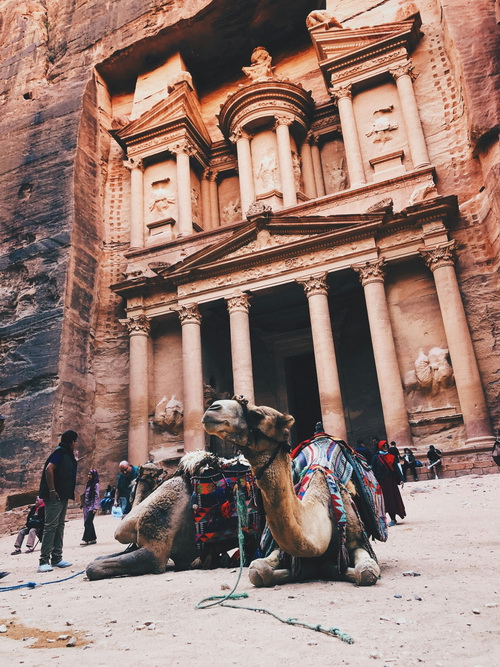
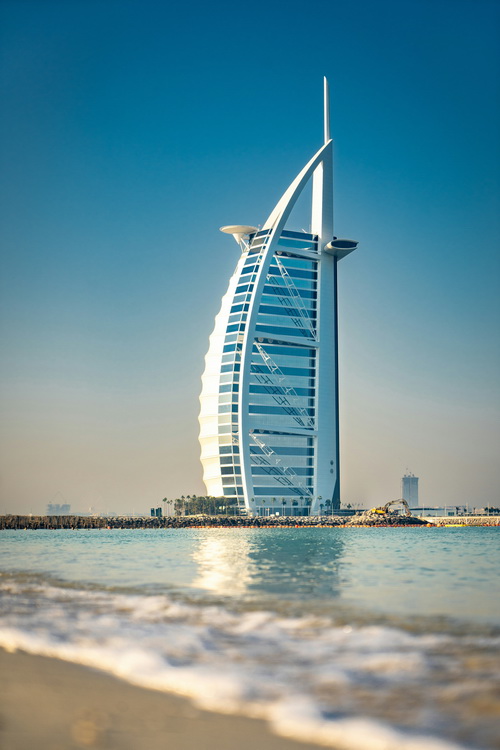
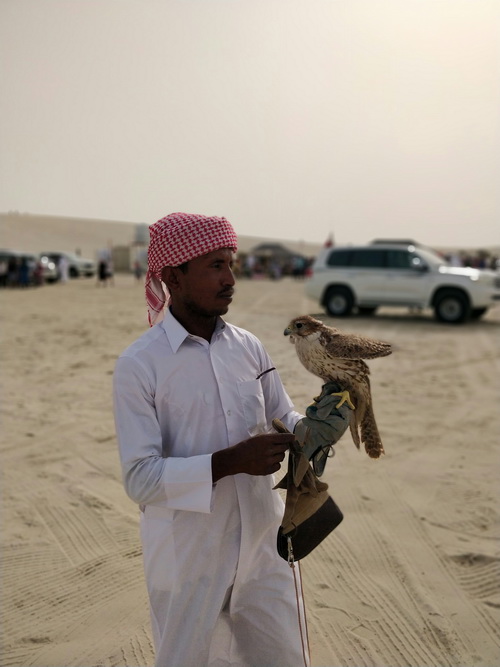
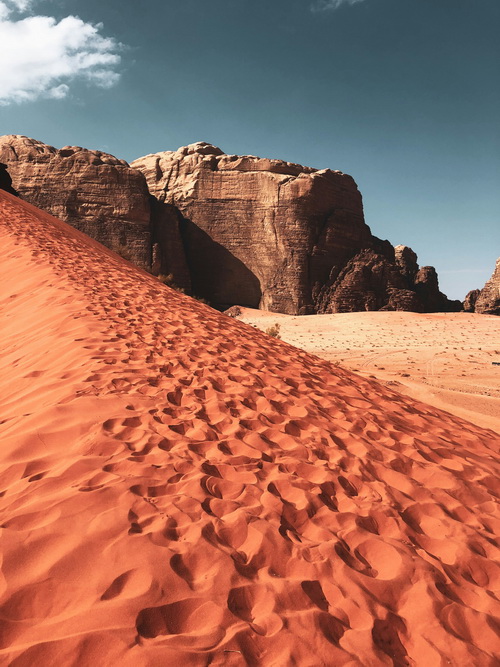
The Middle East is a land where ancient civilizations have left their mark, and deserts, mountains, and coastlines tell stories older than time. From the golden sands of the Arabian Desert to the fertile banks of the Tigris and Euphrates, from bustling souks and modern cities to quiet villages steeped in tradition, the region’s landscapes are as varied as its cultures.
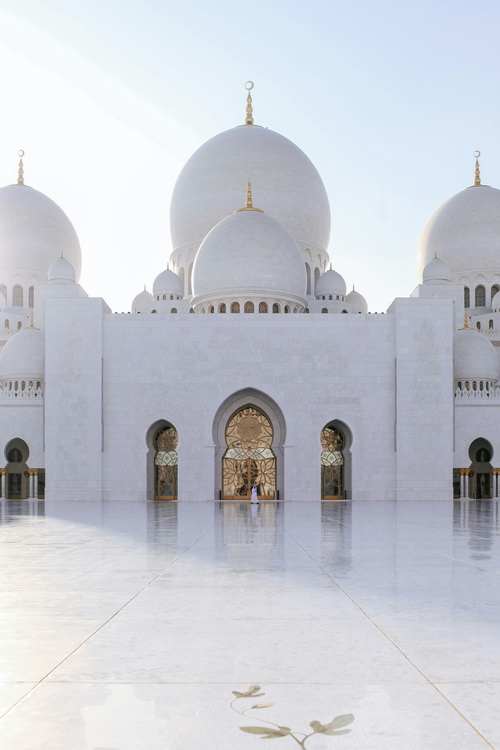
Here, every corner reveals a legacy: majestic mosques and temples, fortresses perched atop rocky hills, markets alive with color, fragrance, and sound, and festivals that celebrate faith, music, and heritage. The Middle East’s tapestry of languages, cuisines, and traditions invites travelers to experience life from countless perspectives.
Whether you seek the thrill of adventure, the mystery of history, or the quiet beauty of nature, the Middle East offers a journey of discovery—where every experience becomes a story, and every step connects you to the soul of this extraordinary region.